
Resources for Farmsteaders
Get behind the scenes
In these emails, I share more about how the food membership works on the backend. Sign up below if you’re a fellow farmer curious to learn more about the model, and what’s worked (and hasn’t worked) in the 20+ years we’ve built our farm business.
Book a consultation
Book a paid one-on-one call with me (Jennifer) to work through how the food membership model could fit your own farm.
You bring the questions, whether they're about getting started, a part of your setup that isn't working, or a decision you're stuck on.
Afterwards, you get access to the recording as well as any resources we’ve mentioned on the call, so you can revisit and implement in your own time.
20+ years of putting the model to work
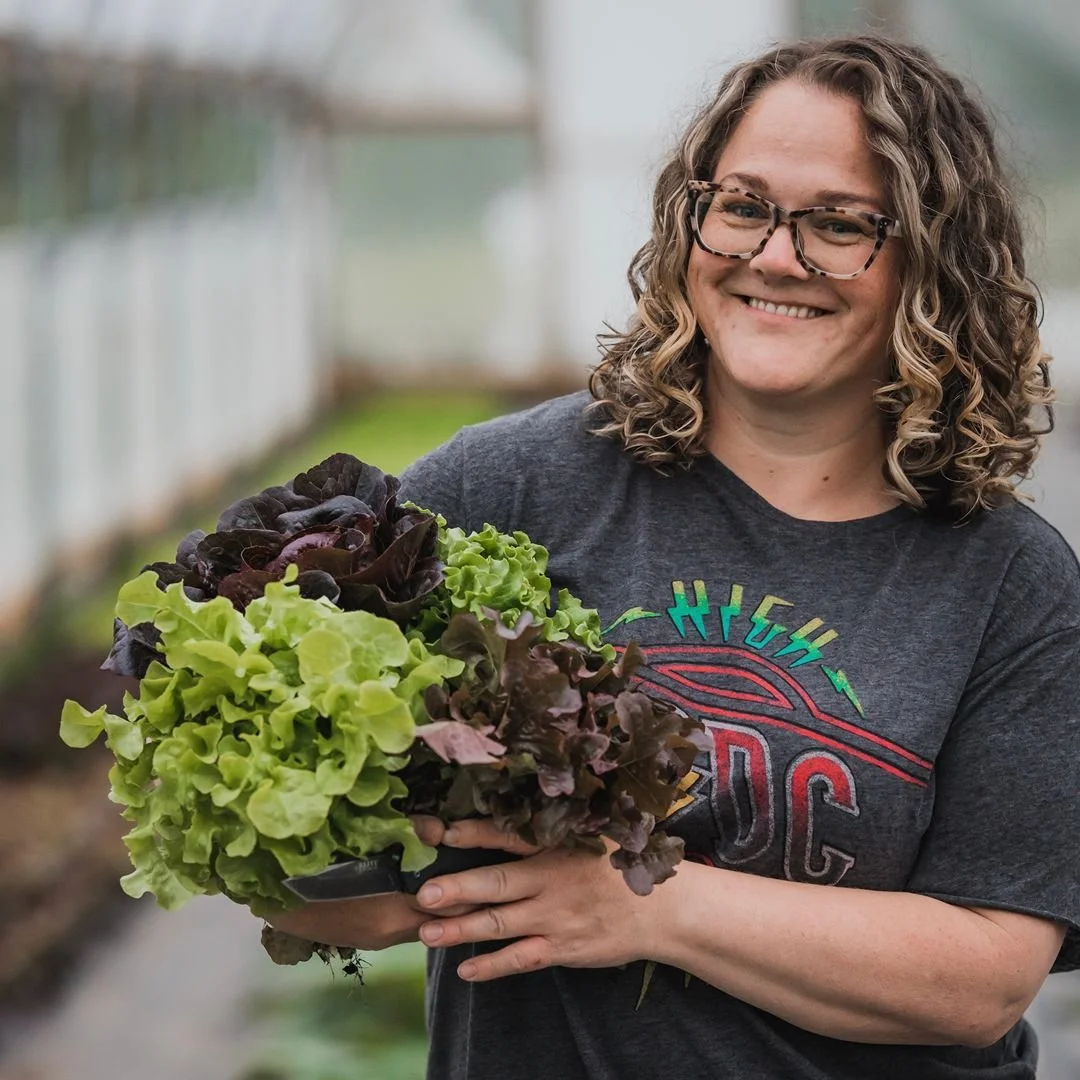
I’m Jennifer Vahldick, and I run Moxie Farms alongside my family. We raise livestock and grow food, and have done it long enough to know what it takes to run a financially sustainable farm.
I’m creating resources for fellow farmsteaders because I see so many other small farmers unable to keep their heads above water.
Over the years, we’ve built a food membership model that works, and I’ve helped several others build a farm that brings in a decent income… Without giving up the dreams and values that brought them here in the first place.
Frequently Asked Questions
-
This food membership model isn't a traditional CSA. Members don't simply receive a preset box of whatever the farm produces. Instead, the farm plans production around what its member households actually need and relies on an annual commitment (and pre-payment) from those households.
The difference: very little food waste, very little member turnover.
-
The model is designed for farms of all sizes and types. In most of my resources, I assume at least 5-10 acres; however, it can be applied at a smaller scale, and adjusted as your membership grows.
-
You don’t have to start over to switch to the food membership model. The model changes the role that sales play in your farm, moving from producing first and looking for buyers afterward – to planning production around your members.
You can adapt what you're already doing, keeping the parts that work while shifting toward a model that gives you more predictable demand, stronger member relationships and a clearer production plan.
-
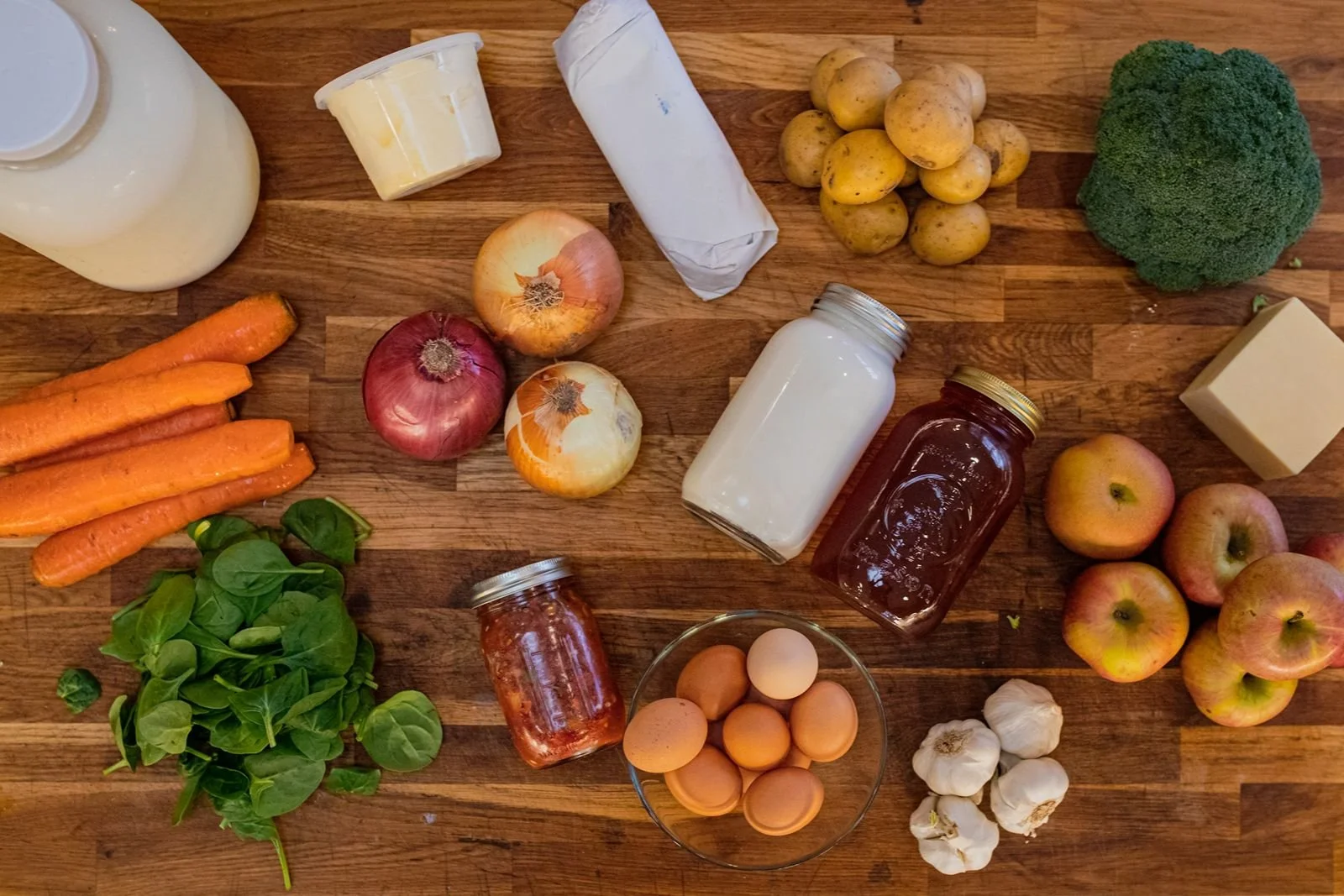
This model depends on diversified production. That means combining fruits and vegetables with animal protein – whether that’s cattle, pigs, poultry, quail or another mix that fits your farm.
That doesn’t mean you have to produce it all yourself; you can team up with neighboring farms that grow or raise what you don’t, and arrange for one central pickup point for your members.
The goal is to provide enough variety, so that your farm (or group of farms) becomes your members’ main food source year-round, not just a supplement or a seasonal supplier.